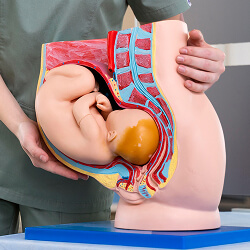
The placenta is the organ that surrounds the fetus in the uterus and allows the exchange of nutrients, blood, and waste products with the mother. It is expelled from the uterus after the child’s birth. The custom of consuming the placenta, often performed as placenta encapsulation , is centuries old and most frequently practiced in Chinese medicine. It is a controversial tradition that has been gaining ground in the United States for several decades.
The few scientific studies conducted on placenta encapsulation have neither supported the effects of this practice nor completely dispelled the possibility of benefits from ingesting the placenta. However, it should be noted by expectant mothers that most of the information we have regarding placenta encapsulation comes almost entirely from anecdotes of women who have tried it.
What is placental encapsulation?
Placenta encapsulation is the practice of ingesting the placenta after it has been steamed, dehydrated, ground, and encased in pills. Traditionally, this is taken by the mother and is believed to impart numerous health benefits. It is frequently taken shortly after childbirth, during a woman’s menstrual period, or during menopause, with the belief that it helps counteract some of the menopausal symptoms.
What are the proposed benefits of placenta encapsulation?
There is little scientific research available on placenta encapsulation, consumption, and its benefits. Traditional and holistic medical practices encompass a number of potential advantages derived from ingesting the placenta.
These potential benefits include:
- Increased release of the hormone oxytocin, which helps the uterus return to its normal size and helps you enjoy bonding with your baby.
- Increased CRH, a hormone that reduces stress
- Decreased levels of postpartum depression
- Restoration of iron levels in the blood
- Increase in milk production
Is placenta encapsulation safe?
Encapsulating the placenta appears to carry no inherent risk if ingested only by the mother. Some mothers have reported experiencing negative symptoms such as dizziness or nervousness after taking the pills. Again, most of the information regarding this practice is gathered anecdotally rather than from research. In addition, if taken by other relatives or friends, someone should be aware of the possibility of transmitting bloodborne diseases.
Also, if the placenta needs to be stored for any period of time, it should be refrigerated like any other meat product.
How do I encapsulate the placenta?
Placenta encapsulation specialists can be found throughout the country. These individuals may have completed various training courses, but keep in mind that there are no laws governing this practice. However, some states do have laws prohibiting the removal of the placenta from the hospital.
If you are considering placenta encapsulation, it is important to research the techniques used by your chosen facility to ensure the placenta is handled safely. In addition to encapsulation, some mothers choose to consume the placenta by cooking it into foods such as pizza or lasagna. Regardless of the method of ingestion, it is essential to treat the placenta as a meat product and ensure it is stored properly and thoroughly cooked.
The baseline on placental encapsulation
There is limited research available to either support or oppose the practice of placenta encapsulation. There are a number of proposed benefits to the practice, and limited risks if the placenta is stored correctly and ingested only by the mother.
If you feel that placenta encapsulation is right for you, be sure to contact your healthcare provider for more information about the proper procedure. It is also important to be aware of any laws in your state that make it illegal to remove the placenta from the hospital.