What Is Fertility?
Fertility depends on several coordinated factors:
- Regular ovulation
- Healthy egg quality
- Healthy sperm count and motility
- Open fallopian tubes
- Balanced reproductive hormones
- A receptive uterine lining
Even when everything appears normal, conception may take time. Fertility is influenced by age, lifestyle, medical history, and underlying health conditions.1
Explore the foundations of fertility and what affects it
Understand how ovulation works and why it matters for conception
When Is Infertility Diagnosed?
Healthcare providers generally define infertility as 12 months of trying without pregnancy for those under 35, or 6 months for those 35 or older.2 Earlier evaluation may be recommended if periods are irregular or absent, there is a history of pelvic infection, known male factor infertility, or previous reproductive health conditions.
Get a full overview of how infertility is defined and diagnosed
Causes of Female Infertility
Female infertility may involve ovulation disorders, polycystic ovary syndrome (PCOS), blocked fallopian tubes, endometriosis, uterine abnormalities, or age-related egg decline. Hormonal evaluation and imaging tests are often part of the assessment.
Learn about the most common causes of female infertility and how they are treated
Causes of Male Infertility
Male infertility contributes to approximately one-third of infertility cases.3 Common causes include low sperm count, poor sperm motility, abnormal sperm shape, hormonal imbalances, varicocele, and genetic factors. Semen analysis is often the first step in evaluation.
Understand the causes of male infertility and when to seek testing
Fertility Testing
If pregnancy does not occur within the expected timeframe, testing may include:
- Hormone blood tests
- Ovulation tracking
- Semen analysis
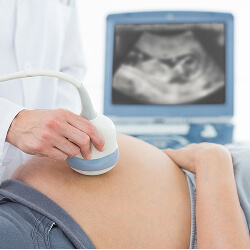
- Ultrasound imaging
- Hysterosalpingography (HSG)
- Ovarian reserve testing
Understanding test results can feel overwhelming. Clear communication with your provider is important.
See which fertility tests are available and what they reveal
Learn what fertility testing for women involves, step by step
Lifestyle Factors and Fertility
Several modifiable factors may influence fertility, including smoking, excess alcohol, obesity or being underweight, high stress, and poor nutrition. Small improvements in overall health may positively impact reproductive outcomes.
Discover evidence-based ways to boost your fertility naturally
Build your preconception health plan with expert guidance
Fertility Treatments
Treatment depends on the underlying cause and is highly individualized. Options may include:
- Ovulation-inducing medications
- Intrauterine insemination (IUI)
- In vitro fertilization (IVF)
- Intracytoplasmic sperm injection (ICSI)
- Surgical procedures
Compare infertility treatment options and find out what to expect
Get an in-depth look at IVF and assisted reproductive technology
Emotional Impact of Infertility
Infertility can be emotionally challenging. Individuals may experience grief, anxiety, isolation, frustration, and relationship strain. Seeking counseling or support groups can be helpful.
Understand the emotional side of infertility and how to cope
Find practical strategies for coping with infertility
When to Seek Specialist Care
A reproductive endocrinologist specializes in fertility care. Referral may be appropriate when standard treatments are unsuccessful, complex hormonal disorders are present, or assisted reproductive technology is being considered. Early evaluation does not mean something is wrong — it simply provides clarity.
Moving Forward with Support
Fertility journeys vary widely. Some individuals conceive quickly. Others require time, evaluation, or treatment. You deserve compassionate, evidence-based support throughout your journey.
Revisit ovulation timing and conception strategies
Explore advanced reproductive options and what they involve


esgametos-transferencia-intratubárica-tig.jpg)