PregnancyDevelopment, Care, Nutrition & What to Expect
The Pregnancy Roadmap
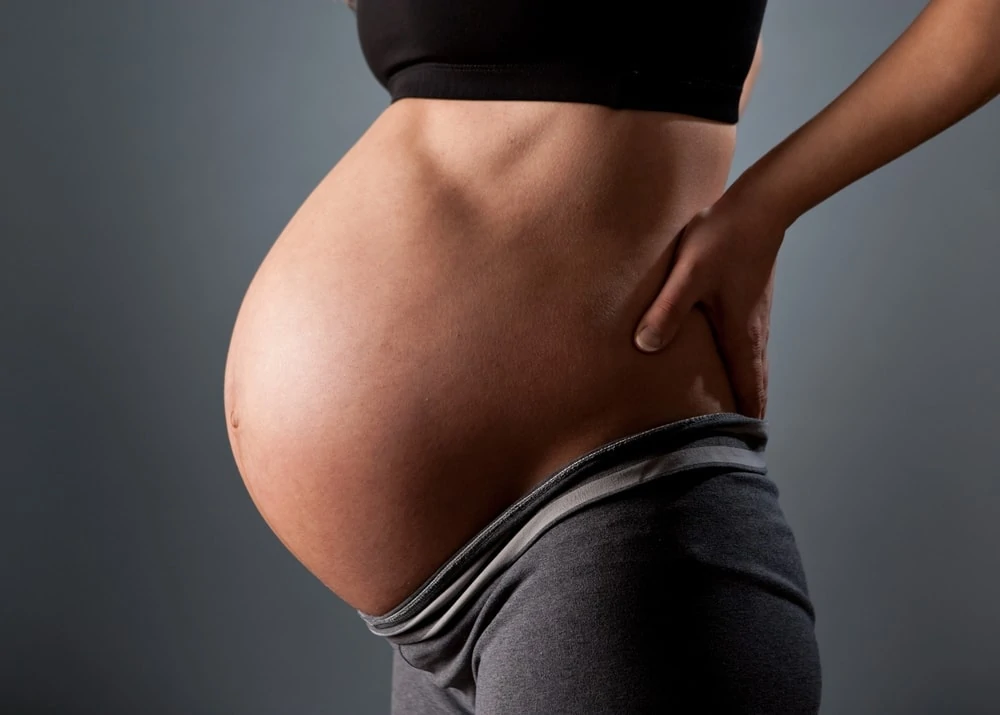
A full-term pregnancy typically spans 40 weeks, providing your baby the essential time needed for complete organ and brain development. We understand that this transition brings a mix of wonder and natural questions about your changing body, and we are here to walk beside you through every milestone. You can follow your baby’s growth and your own physiological changes by exploring our pregnancy week-by-week guide or diving deeper into the specific stages of fetal development. Maintaining a healthy pregnancy involves focusing on nutrition, movement, and emotional well-being, while consistent prenatal care and scheduled prenatal tests ensure you and your provider stay informed. If you encounter unexpected complications and concerns, we provide steady, clinical clarity to help you navigate those moments. We also offer specialized guidance for those expecting twins or multiples and compassionate support for navigating pregnancy loss. According to the CDC, early and regular prenatal care is one of the most effective ways to promote a healthy birth for both you and your baby.
Learn about your baby's development.
Third Trimester of Pregnancy: Fetal Development
Second Trimester: Fetal Development
Fetal Development: First Trimester
16 Ways to Bond With Your Baby While Pregnant
First Fetal Movement: Quickening in Pregnancy
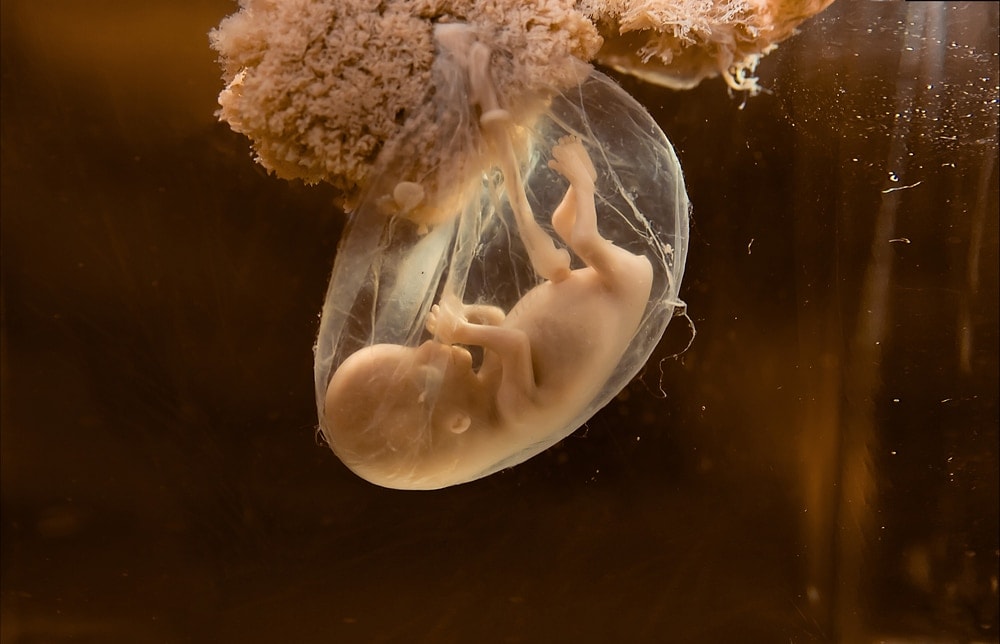
When Should I Tell Others I’m Pregnant?
Fetal Development - How to Calculate Gestational Age
Baby Development Month By Month
Follow your baby's growth each week.
Optimize health during your pregnancy.
Getting Probiotics Naturally During Pregnancy
Where to Get Folic Acid Naturally During Pregnancy
Roles of Vitamin B in Pregnancy
Folate and Folic Acid in Pregnancy
Make Taking Prenatal Vitamins Easier
5 Most Important Prenatal Nutrients For Pregnancy
Choosing Your Prenatal Vitamins
As a society we are led to believe that taking a prenatal vitamin during pregnancy will provide all the nutrients needed for a happy and healthy birth outcome. Although most prenatal vitamins do provide calcium, vitamin A, vitamin B1 (thiamine), vitamin B5 (pantothenic acid), vitamin B6 (pyridoxine), vitamin B7 (biotin), vitamin B9 (folic acid) or folate, vitamin B12 (cobalamin), vitamin C, vitamin E and vitamin D, there are three critical nutrients that your prenatal may lack, or be missing entirely. In other words, there is no such thing as a “perfect” prenatal vitamin that can meet all of your prenatal needs.Vitamin D Supports a Healthy Pregnancy
It’s common knowledge that vitamin D benefits our bone, brain, cardiovascular, immune, metabolic, and respiratory health, but did you know that vitamin D is also critical for maintaining a healthy pregnancy? Emerging research strongly links vitamin D to a reduced risk of pregnancy complications including preeclampsia, gestational diabetes, preterm birth, and C-section delivery. Unfortunately, research also indicates that an estimated 33% of pregnant women in the U.S. do not get enough vitamin D. The majority of prenatal vitamins contain vitamin D within the range of 400 IU (10 mcg) to 1,000 IU (25 mcg). These values may not be enough. In a study examining the vitamin D levels of women consuming a prenatal supplement with 600 IU/day and two glasses of vitamin D fortified milk, researchers found that 76% of moms and 81% of newborn babies were deficient in vitamin D (levels < 20 ng/mL). This raises the question – how much vitamin D do you need to increase your levels? In a study comparing doses of 400, 2000 and 4000 IU/ day in pregnant women from early pregnancy (12 – 16 weeks) to delivery, researchers found that 4000 IU was the most effective at safely increasing vitamin D blood levels. Does this mean that every pregnant woman needs 4000 IU of vitamin D? Not exactly. The best thing to do is to get your vitamin D levels tested and talk to your doctor about what dose is right for you.Choline Benefits Pregnancy and Beyond
Choline doesn’t get a lot of attention, but it is a nutrient with a number of impressive, long lasting benefits, making it an indispensable component of prenatal vitamins. For example, higher maternal choline intakes have been shown to reduce the risk of neural tube defects (independent of folate intake) while also improving cognition and lowering levels of circulating cortisol. This is significant because lowering a baby’s production of cortisol could, over their lifetime, reduce their risk of certain stress-related disorders. In terms of improving cognition, research finds that children who received additional choline in utero showed increased attention span, memory, and problem solving at age seven. For mom, the benefits of increased choline intake are linked to a reduced risk of certain complications during pregnancy and an increase in placenta and liver function during pregnancy. The benefits of choline during pregnancy make it one nutrient you’re going to want to make sure is on your prenatal vitamin’s supplement facts panel. Although the recommended Adequate Intake (AI) of choline for pregnant women is 450 mg/d, studies show only 10% of pregnant women in the U.S are actually meeting the AI. Partly to blame for this is many prenatal vitamins lack sufficient choline support. A recent study evaluating the top 25 prenatal vitamins found that none contained the daily-recommended choline intake for a pregnant woman, and over half contained none at all. To help remedy this, make sure you are consuming enough choline through your diet, and supplement as needed. If you’re aiming to get your choline from food first, one of the highest sources of choline is eggs. The egg yolk is where the choline lives (about 147 mg per egg yolk), so you won’t get your choline from an egg white omelet. See the chart below for more choline sources and their amounts. You will notice that animal sources contain the greatest amounts of choline, so vegans and vegetarians run an even greater risk of choline deficiency. Therefore, it’s critical that vegans and some vegetarians supplement with choline during pregnancy.| Food Source | Choline (mg) |
| Beef liver, 3 oz pan fried | 356 |
| Egg yolk, large | 147 |
| Beef, 3 oz. lean top round braised | 117 |
| Ground beef, 3 oz. cooked | 85 |
| Pork tenderloin, 3 oz. cooked | 83 |
| Salmon, 3oz. | 77 |
| Cod, 3oz baked | 71 |
| Chicken breast, 3oz. | 65 |
| Shiitake mushrooms, 1/2 cup cooked | 58 |
| Soybeans, 1/4 cup cooked | 53 |
| Broccoli, 1 cup cooked | 51 |
| Kidney beans, 1/2 cup canned | 45 |
| Quinoa, 1 cup cooked | 43 |
| Garbanzo beans, 1/2 cup cooked | 35 |
DHA and Healthy Development of the Fetus
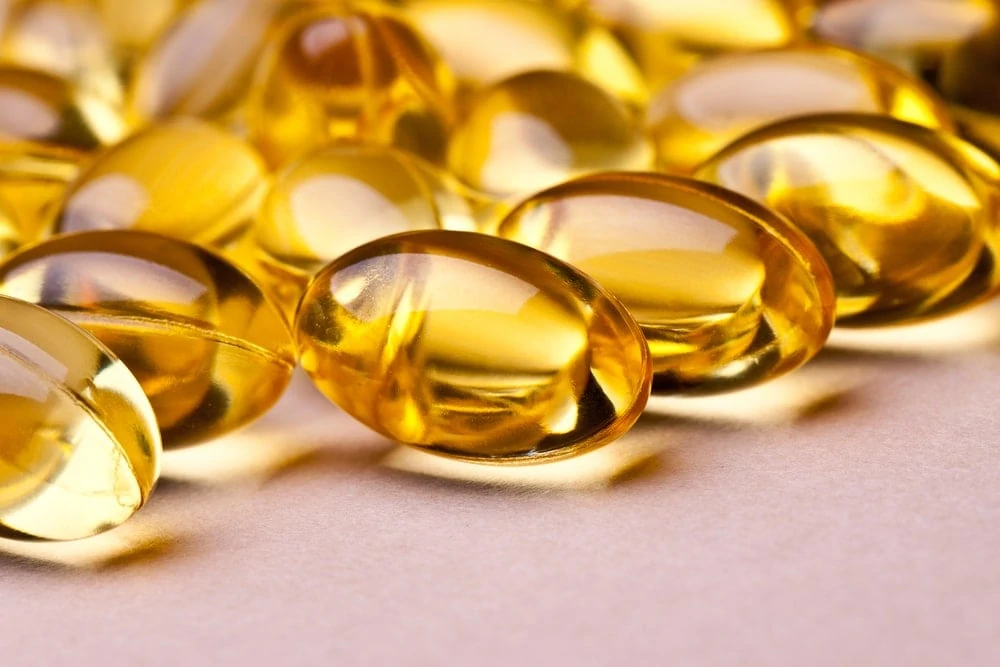
DHA, an omega-3 fatty acid, is one of the key building blocks for fetal development. During pregnancy the fetus obtains DHA through the mother, and it is imperative the mother has adequate DHA stores to support both her and her developing baby’s needs. If mom already has a low DHA status, the fetus’s reliance on her for DHA can put her at a heightened risk for DHA deficiency, and importantly, place her baby at risk of missing out on some of the nutrient’s key benefits. To learn more about the multitude of DHA benefits during pregnancy see “Why Do I Need DHA During Pregnancy?”. Pregnant women need a minimum of 300 mg of DHA a day. Because many prenatal vitamins do not contain DHA, this means pregnant women need to obtain their daily minimum through fatty fish or fish oil. Given that pregnant women are advised to limit consumption of low-mercury fish to 2-3 times per week, incorporating a fish oil supplement containing at least 300 mg/d can help support your DHA needs if your prenatal is lacking. However, your individual needs may not be met by 300 mg/d, making it important to talk to your doctor and get tested. You can determine your needs through a simple blood test to find out what dose is best for you. The American Pregnancy Association recommends Safe Catch because they test every fish for mercury. Check out our delicious recipes made with Safe Catch tuna, salmon and more!Talk to Your Health Care Provider
Always let your health care provider know what prenatal vitamins you are taking. Consider taking your supplement bottles with you to your first prenatal visit. Prenatal vitamins can be helpful ways of including vital nutrients in your daily meals. Vitamins and minerals are essential to the healthy development of your baby, as well as your own physical health. Be sure to speak with your health care provider about nutrition before you conceive if you are planning to get pregnant in the near future, or as soon as you know you are pregnant. The American Pregnancy Association recommends a selection of liquid supplements including:- Vitamin D3
- Omega-3D
- Children’s DHA
- Cod Liver Oil
Benefits of Fish Oil Supplements & Fish Consumption in Pregnancy
Safe Exercise During a Multiples Pregnancy
Is Sushi Safe for Pregnant Women?
Laser Hair Removal and Pregnancy
Parasitic Worm Infection During Pregnancy
Effects of Exercise During Pregnancy
Exercise Warning Signs During Pregnancy
Oral and Anal Sex During Pregnancy
Can You Drink Wine While Pregnant?
What's the big deal with Marijuana & Pregnancy?
Roller Coasters While Pregnant
Activities to Avoid During Pregnancy
Electronic Cigarettes and Pregnancy
Eating Shrimp During Pregnancy
Mercury Levels in Fish - Safe Fish for Pregnancy
Pica Cravings During Pregnancy
Hair Treatment During Pregnancy
Artificial Sweeteners and Pregnancy
Can You Get a Tattoo While Pregnant?
Is CBD Oil Safe During Pregnancy?
Abusing Prescription Drugs During Pregnancy
Body Image: Loving Your Body Before, During, and After Your Pregnancy
Using Illegal Drugs During Pregnancy
Pregnancy Insomnia: Snooze Or Lose!
Pregnancy and Sciatic Nerve Pain
Sinus Infection While Pregnant
Sinus Infection While Pregnant: Medication and Natural Remedies
Sinus pressure, a stuffy nose, and a sore throat? Welcome to a sinus infection during pregnancy. Sinus infections while pregnant at the same time makes being sick even worse.
Sinusitis occurs when there is an infection in the lining of one of the four nasal cavities, which can cause inflammation and a nasal obstruction inhibiting the proper drainage of mucus. This can result in symptoms such as a stuffy nose and painful pressure around your cheeks and eyes. Such infections may be caused by a bacteria, virus, or fungus, although the cold is the most common contributing factor of sinus infections. Learn more about dealing with a cold during pregnancy.
If you have a sinus infection during pregnancy, you may be tempted to take some medication for a quick fix. However, while certain medications are safe to use during pregnancy, other commonly used medications may not be safe to take while pregnant. You may also find that some home remedies may be just as effective in alleviating your symptoms and helping you recover.
Medication: How to Alleviate Sinus Congestion While Pregnant:
Medications used to treat acute sinus infections include cefprozil (Cefzil) and amoxicillin-clavulanate. Acetaminophen (Tylenol) is also regarded as safe to use during pregnancy for pain relief and/or headaches. Additionally, short-term use of decongestants, antihistamines, expectorants, and cough suppressants for upper-respiratory infections are generally regarded as safe during pregnancy in limited amounts.
However, you will need to avoid aspirin, and ibuprofen (Advil, Motrin, etc…).
You may want to talk with your doctor for specific information on which medications pose the least risk for you and your baby. Overall, while there are some safe medications to take during pregnancy, it is best to limit your use of medication while pregnant and opt for other safer remedies.
Home Remedies: How to Alleviate a Congestion Naturally
There are many safe home remedies you can use to alleviate your symptoms and recover from a sinus infection:
- Drink plenty of fluids such as water, broth, and citrus juice. Staying hydrated is important for helping you fight infection and for clearing a stuffy nose.
- Use saline nasal irrigation or saline nose drops. You can make your own saline drops by combining 1 cup of warm distilled, or purified water with 1/8 tsp salt and a tiny pinch of baking soda.
- Use a humidifier at night. This will help clear nasal passages. You may also lean over a pan of boiling water taken off the stove, place a towel over your head, and breathe in the steam. This helps open your nasal passages and loosens mucus in your chest.
- Elevating your head with a couple of pillows while lying down may make breathing easier. Using nasal strips also helps open nasal passages.
- For a sore throat, gargle salt water (1/4 tsp salt per 8 ounces of water), drink a warm liquid or suck on ice. Honey and lemon may also soothe a sore throat.
- Make sure you are getting plenty of sleep as this will help your immune system fight the infection.
- During pregnancy, it is common to lose your appetite, and feeling sick may not help. However, even if you don’t have an appetite, it is important to eat well. If you lose your appetite, it may help to eat smaller meals throughout the day. Make sure you are eating nutrient-dense foods such as fruits and vegetables. Soup may also be a soothing option.
For headaches:
- Use hot or cold packs on your shoulders or neck or a cold pack on your forehead.
- Getting a massage, or taking a warm bath may also help alleviate headaches.
When to Contact Your Doctor:
- If you are coughing up green or yellow mucus
- If you have a fever above 101° F
- If you cannot eat or sleep
If your infection is not improving, your doctor may prescribe medication. Your doctor will determine the best medication to take that is safe for you and your baby. While sinus infections are not fun, there are ways you can take care of yourself either through medication or home remedies to alleviate your symptoms and promote your recovery.
Want to Know More?
- Getting Sick While Pregnant
- Vitamin D and Pregnancy
- Cough and Cold During Pregnancy: Treatment and Prevention
- Keep track of your medication by downloading the Fetal Life App for Apple and Android endorsed by the American Pregnancy Association. It features medicine tracking, meal recommendations, kicks counter, blood glucose tracking, and much more.
Compiled using information from the following sources:
1. Harms, R. W. (Ed.). (2004). Mayo Clinic guide to a healthy pregnancy (2nd ed.). New York, NY: HarperCollins Publishers Inc.
2. Jordan, R. G., Engstrom, J. L., Marfell, J. A., & Farley, C. L. (Eds.). (2014). Prenatal and postnatal care: A woman-centered approach. Ames, IA: John Wiley & Sons, Inc.
3. Larson, D. E. (Ed. in chief). (1996). Mayo Clinic family health book: The ultimate illustrated home medical reference. New York, NY: William Morrow and Company, Inc.
4. Simkin, P., Whalley, J., & Keppler, A. (1991). Pregnancy, childbirth, and the newborn: The complete guide. Gorham, K. (Ed.). Deephaven, MN: Meadowbrook Press.
West Nile Virous - How to Treat Naturally During Pregnancy
Treating MRSA During Pregnancy
Treating Muscle Cramps During Pregnancy
Treating Salmonella Naturally During Pregnancy
How To Treat Scabies Naturally During Pregnancy
Treat Varicose Veins Naturally During Pregnancy
Natural Treatments for UTIs During Pregnancy
How to Treat Thrush During Pregnancy
How to Treat Iron Deficiency During Pregnancy
Lack of Energy During Pregnancy
Treating Joint Pain Naturally During Pregnancy
What Happens in the Womb During Pregnancy? (VIDEO)
Eating Disorders and Pregnancy
Vaginal Discharge During Pregnancy
High Blood Pressure During Pregnancy
Ovarian Cancer During Pregnancy
Vitamin Overdose During Pregnancy
How to Treat Giardia During Pregnancy
Muscle Cramps During Pregnancy
Treating Lactose Intolerance During Pregnancy
How to Treat Jet Lag Naturally During Pregnancy
Natural Sources of Vitamin B During Pregnancy
Pregnancy Vitamins and Nutrients
Chiropractic Care During Pregnancy
The Bumpy Truth About Nutrition
Treating Vaginitis Naturally During Pregnancy
COVID-19 Pandemic: Stay Healthy While Pregnant
Nausea and vomiting can be one of the first signs of pregnancy and usually begins around the 6th week of pregnancy. While it’s referred to as “morning sickness” it can occur at any time of the day. For most women, it seems to stop after the 12th week of pregnancy. Morning sickness is not harmful to you or your baby, but if you experience excessive vomiting and cannot manage to keep your food down, you may have hyperemesis gravidarum.
Hyperemesis gravidarum can be harmful to you and your baby if severe and left untreated due to the possible lack of nutrients and electrolyte imbalances. The most important thing is to inform your doctor when these symptoms appear and discuss possible treatment options.
Morning Sickness Facts
More than 50% of pregnant women experience morning sickness. Morning sickness refers to the nauseous feeling you may have during the first trimester of pregnancy, which is a result of the increased hormones in your body.
Morning sickness can be accompanied by vomiting. Many doctors think morning sickness is a good sign because it means the placenta is developing well. Have no fear, there are several ways to help give you morning sickness relief.
Here are some steps to and alleviate your symptoms:
Helpful Do’s and Don’ts to Ease Morning Sickness
Do:
- Eat small meals often.
- Take your prenatal vitamins with a light snack before you go to bed.
- Drink fluids 1/2 hour before or after a meal, but not with meals.
- Drink small amounts of fluids during the day to avoid dehydration.
- Eat soda crackers 15 minutes before getting up in the morning.
- Eat whatever you feel like eating, whenever you feel you can.
- Ask someone else to cook for you; open the windows, or turn on fans if the odor bothers you.
- Get plenty of rest and nap during the day.
- Avoid warm places; feeling hot adds to nausea.
- Sniff lemons or ginger, drink lemonade or eat watermelon to relieve nausea.
- Eat salty potato chips; they have been found to settle stomachs enough to eat a meal.
- Exercise
Don’ts:
- Do not lie down after eating.
- Do not skip meals.
- Do not let this condition go untreated.
- Do not cook or eat spicy food.
Hyperemesis Gravidarum
Hyperemesis gravidarum is a condition characterized by severe nausea, vomiting, weight loss, and sometimes electrolyte disturbance. Mild cases are treated with dietary measures, rest, and antacids.
More severe cases often require a stay in the hospital so the mother can receive fluid and nutrition through an intravenous line. DO NOT take any medications for this condition without consulting your doctor first.
You should contact your doctor:
- If you are experiencing excessive nausea and vomiting that prevents you from keeping any food down
- If vomiting is accompanied by pain or fever
- If nausea and vomiting persists well into the second trimester (after the 12th week)
Want to Know More?
Normal Uterus Size During Pregnancy
Second Hand Smoke and Pregnancy
Foods to Avoid During Pregnancy
Eating Seafood During Pregnancy
How to Treat Tennis Elbow Naturally During Pregnancy
Omega-3 Fish Oil and Pregnancy
Remedies for Migraines During Pregnancy
Best Sleeping Positions While Pregnant
Treat Gum Disease Naturally During Pregnancy
Nearly half of all pregnant women suffer from leg cramps – those painful involuntary muscle spasms that strike your calf, foot or both. It is not uncommon to experience pregnancy leg cramps particularly in the second and third trimesters.
What Causes Leg Cramps During Pregnancy?
While it isn’t clear exactly what causes these muscle spasms, leg cramps may be caused by pregnancy weight gain and changes in your circulation. Pressure from the growing baby may pitch the nerves and blood vessels that go to your legs.
How to avoid and treat pregnancy leg cramps
- Exercise regularly, and include a stretching routine. For a simple calf stretch – stand at arm’s length from a wall, place your hands on the wall in front of you and move your right foot behind your left foot with toes facing the wall. Slowly bend your left leg forward, keeping your right knee straight and your right heel on the floor. Hold the stretch for about 30 seconds, being careful to keep your back straight and your hips forward. Breath deeply through the stretch. Repeat with the other leg.
- When spasms hit, gently perform the stretch on the affected side and then rest with your legs elevated. A warm bath, ice massage or muscle massage may help too.
- Drink lots of water. Your urine will be clear or light yellow when you’re adequately hydrated.
- Wear support socks or stockings that provide some compression on your calves.
- Increase the calcium and magnesium in your diet by eating food such as whole grains, beans, dried fruit, nuts and seeds.
Contact your health care provider if your leg cramps are severe or persistent. Your health care provider may prescribe additional supplements or medication.
Want to Know More?
- Treating Muscle Cramps Naturally During Pregnancy
- Exercise During Pregnancy
- Role of Vitamin B in Pregnancy
Compiled using information from the following sources:
Mayo Clinic Guide To A Healthy Pregnancy Harms, Roger W., M.D., et al, Part 3.
March of Dimes, https://www.marchofdimes.org
Danforth’s Obstetrics and Gynecology Ninth Ed. Scott, James R., et al, Ch. 1.
Optimize health during your pregnancy.
Pregnancy Medical Terms to Know
How Your Body Changes During Pregnancy
Breast Changes During Pregnancy
How to Boost Immunity While Pregnant
Understand prenatal screening options.
Getting a Pregnancy Urinalysis: About Prenatal Urine Tests
Chorionic Villus Sampling: CVS
Cordocentesis : Percutaneous Umbilical Blood Sampling (PUBS)
Gender Prediction Tests: The Latest Science
Knowing Baby’s Sex Before Birth: Some Pros and Cons of Gender Reveal
Trusted information for challenging moments.
Tips For Preventing Birth Defects
What Causes Autism During Pregnancy?
Progeria: Hutchinson-Gilford Progeria Syndrome (HGPS)
Birth Defects Prevention Campaign
Congenital CMV and Birth Defects
Intraventricular Hemorrhage (IVH)
Cholestasis of Pregnancy - Diagnosis, Symptoms & Treatment
Cytomegalovirus (CMV) Infection
HELLP Syndrome - Causes, Symptoms & Treatment
Intrauterine Growth Restriction (IUGR); Small For Gestational Age (SGA)
Molar Pregnancy: Symptoms, Risks & Treatment
Urinary Tract Infection - UTI During Pregnancy
Toxoplasmosis During Pregnancy
D&C Procedure After a Miscarriage
Low Amniotic Fluid Levels: Oligohydramnios
Trichomoniasis During Pregnancy
Polyhydramnios: High Amniotic Fluid During Pregnancy
Umbilical Cord Prolapse and Compression
Round Ligament Pain During Pregnancy
What is a High-Risk Pregnancy?
Sexually Transmitted Diseases (STDs) during Pregnancy
Bacterial Vaginosis During Pregnancy
The Most Common Pregnancy Complications
Gestational Hypertension: Pregnancy Induced Hypertension (PIH)
Incompetent Cervix: Weakened Cervix
Rh Factor Blood Type and Pregnancy
Yeast Infection During Pregnancy
Fatigue During Pregnancy - What to Expect By Trimester
Cough and Cold During Pregnancy
Lupus Naturally During Pregnancy
How to Treat Swimmer’s Ear Naturally During Pregnancy
Natural Lice Treatments During Pregnancy
Itchy Skin During Pregnancy - How to Treat Naturally
How to Treat Nail Fungus Naturally During Pregnancy
How to Treat Calluses Naturally During Pregnancy
Listeria in Pregnancy - Risks, Treatment & Prevention
Genital Warts During Pregnancy
Blood Transfusion During Pregnancy
Common Discomforts of Pregnancy
Dysgeusia Symptoms and Remedies
Optimize health during your pregnancy.
Pregnancy Medical Terms to Know
How Your Body Changes During Pregnancy
Breast Changes During Pregnancy
How to Boost Immunity While Pregnant
Surviving, understanding & grieving.
What to Say to Someone Who Had a Miscarriage
After a Miscarriage: Surviving Emotionally
Symptoms & Signs of Miscarriage
Pregnancy is a time of growth, anticipation, and change. Your body is working in remarkable ways to support new life. It is natural to have questions about what is normal, what to expect, and how to care for both yourself and your developing baby.
Pregnancy is also a time of learning, as you begin to understand how your body changes and how your baby grows week by week. A healthy pregnancy focuses on nurturing both maternal health and fetal development. This includes regular prenatal care, balanced nutrition, monitoring your baby’s growth, and understanding when to seek medical guidance.
Pregnancy is different for everyone. Some people feel vibrant and energized. Others feel exhausted before lunch and unsettled by foods they used to love. Some days are joyful. Others feel overwhelmed. All of these responses can be part of a normal pregnancy journey.
This comprehensive Guide to Pregnancy introduces the key areas of a healthy pregnancy and connects you to trusted information to help you feel informed and supported along the way.
Fetal Development
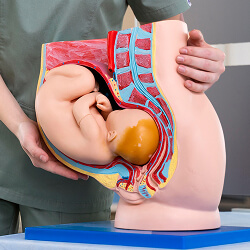
One of the most remarkable things about pregnancy is how quickly your baby grows. In just a few weeks, a cluster of cells becomes a beating heart.
Major organs begin forming during the first trimester. The second trimester brings noticeable growth and the first kicks. In the third trimester, growth and maturation prepare your baby for birth.¹
Understanding how your baby develops during pregnancy can help you feel more connected to the process and reassure you about what changes to expect at each stage.
You can explore trimester milestones, baby movement, and month-by-month development in our overview of Fetal Development.
Pregnancy Week by Week
Many parents find it helpful to follow pregnancy week by week. Each week brings new developments for your baby as well as physical and emotional changes for you.
In early pregnancy, symptoms like nausea, fatigue, and breast tenderness are common. As pregnancy progresses, you may notice changes in posture, sleep patterns, and appetite.²
It can help to take pregnancy one week at a time rather than trying to absorb everything all at once. Tracking weekly development can make pregnancy feel more manageable and help you prepare for upcoming milestones. Our Pregnancy Week-by-Week Overview and articles break down what to expect from week 1 through week 40.
Supporting a Healthy Pregnancy
Building healthy habits during pregnancy might feel overwhelming at first, but small, consistent choices can make a meaningful difference over time. Nutrition and overall health play an important role in supporting a healthy pregnancy.
Healthy pregnancy habits include:
- Taking a prenatal vitamin with folic acid³
- Eating a balanced diet rich in protein, fruits, vegetables, and whole grains
- Staying well-hydrated throughout the day
- Managing weight gain within recommended ranges
- Avoiding alcohol, tobacco, and other substances known to affect fetal development negatively
Folic acid is especially important in early pregnancy because it helps reduce the risk of neural tube defects.⁴ Other nutrients such as iron, calcium, vitamin D, and omega-3 fatty acids also support healthy development.
For more detailed guidance on nutrition, exercise, and healthy daily habits during pregnancy, visit our A Healthy Pregnancy overview page. Healthy habits during pregnancy benefit both you and your baby.
Prenatal Care
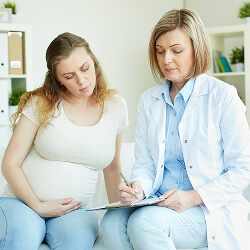
Prenatal care includes regular medical visits to monitor your health and your baby’s development throughout pregnancy.
During prenatal appointments, your healthcare provider may:
- Measure blood pressure
- Monitor weight gain
- Check fetal growth
- Listen to your baby’s heartbeat
- Discuss symptoms and any concerns you may have
Early and consistent Prenatal Care is strongly associated with healthier pregnancy outcomes.⁵ Building a trusting relationship with your healthcare provider will also help you feel supported and confident throughout pregnancy.
Tests to Support Your Pregnancy
Prenatal testing can provide information about your baby’s development and identify potential concerns.
Common tests include:
- Blood tests
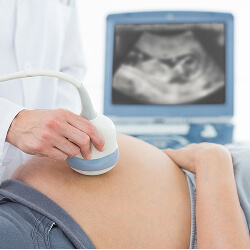
- Ultrasounds
- Genetic screening
- Glucose screening for gestational diabetes
Some tests are routine. Others may be offered depending on your medical history, age, or individual risk factors.
Understanding why tests are recommended and when they are performed can help reduce anxiety and allow you to make informed decisions with your provider.
Explore Prenatal Screening Tests and Diagnostic Options. And if you have questions about testing, discussing them with your healthcare provider can help clarify what is most appropriate for your pregnancy.
Complications and Concerns
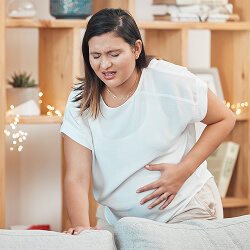
Most pregnancies progress normally. However, understanding possible complications and warning signs can help you respond quickly if concerns arise. Conditions such as gestational diabetes, preeclampsia, infections, or bleeding require medical attention.⁶
Seek immediate medical care if you experience any of the following.
- Severe abdominal pain
- Heavy bleeding
- Sudden swelling of face or hands
- Severe headaches
- Decreased fetal movement
Learning about potential complications does not mean expecting them. Rather, it allows you to recognize when medical guidance may be needed. You can explore our detailed information about Pregnancy Complications and Common Concerns.
Twins and Multiples
Pregnancy with twins or multiples may involve additional monitoring and specialized care.
Multiple pregnancies may increase the likelihood of certain complications, including preterm birth, gestational diabetes, or high blood pressure. Because of these factors, providers often recommend more frequent prenatal visits and ultrasounds to monitor both maternal health and fetal development.⁷ Your healthcare provider will develop a care plan specific to your situation.
If you are expecting twins or multiples, you can learn more about development and care in our page for pregnancies with Twin & Multiples.
Pregnancy Loss
Pregnancy loss can be a deeply painful experience, physically and emotionally. Miscarriage is common, especially in early pregnancy.⁸
Signs of possible miscarriage may include:

- Vaginal bleeding
- Cramping
- Passing tissue
If you experience any of these symptoms, contact your healthcare provider.
Grief after pregnancy loss is real, and there is no timeline for it. Some people feel ready to try again relatively quickly. Others need more time. Both are okay.
If you have experienced a loss, you do not have to process it alone. Support from your provider, a counselor, or others who have been through it can make a meaningful difference.
Find information on miscarriage, physical recovery, and emotional support for Pregnancy Loss. Or please feel free to call our FREE Pregnancy Helpline, where trained, live experts are available. Each conversation is completely confidential and always 100% free.
Frequently Asked Questions
How often should I see my doctor during pregnancy?
Most providers recommend visits every 4 weeks early in pregnancy, increasing in frequency during the third trimester.⁵
What weight gain is normal during pregnancy?
Weight gain recommendations depend on pre-pregnancy body mass index (BMI). Your provider can offer personalized guidance.⁹
Is exercise safe during pregnancy?
For most people, moderate exercise is safe and beneficial unless your provider advises otherwise.¹⁰
When should I feel my baby move?
Many people notice movement between 16 and 25 weeks. If you notice decreased movement later in pregnancy, contact your provider.
What happens after 40 weeks?
If pregnancy goes beyond 40 weeks, your provider may discuss additional monitoring or possible induction of labor.
Preparing for the Next Stage
As pregnancy progresses, many parents begin thinking about labor and delivery. If you would like to learn more about the birth process and your delivery options, you can continue exploring our comprehensive Giving Birth Guide.

If you are earlier in pregnancy and want to follow your baby’s growth in more detail, signing up for our Weekly Development Newsletter can help you track growth and changes you and your baby experience throughout the entire journey.
Or, if you are pregnant and wondering how this could have happened the Getting Pregnant Roadmap may be a helpful starting place. There’s nothing embarrassing about learning more.
A healthy pregnancy is not about perfection. You are not expected to know everything at once. With the right information and support, each step forward becomes more manageable. And, we are happy that you have chosen the American Pregnancy Association, a trusted resource for pregnancy information and support.